SuiteDash guide · Updated October 31, 2026
Browser-Based Billing and Invoicing: What to Check
Browser-based billing software lets a service business create invoices, accept online payments and review billing activity without maintaining desktop software. Choose based on how you bill: one-time work, recurring services or tracked time. SuiteDash connects those jobs with CRM, Projects and a branded Client Portal. Its flat-rate plans start at $19/month with unlimited Staff and Clients.
For the product overview, see SuiteDash invoicing software. This guide focuses on the buying decision.

Why browser-based billing matters
The original version of this guide, published in 2015, compared installed software with software delivered through a browser. That decision still matters: you need to know how invoices are created, where clients pay and what your team can see without passing files between computers.
A browser-based system can give staff access to the same current billing records and spare a small business from storing invoice files in drawers or separate spreadsheets. That convenience does not settle the buying decision. Check the workflow you actually sell, including one-time jobs, recurring services and billable hours.
About “free” billing tools: a free tier, a trial and a paid account are different offers. Check current plan terms before choosing. SuiteDash offers a 30-day free trial and paid plans starting at $19/month; it is not presented here as a permanently free billing product.
Choose the billing model before the software
The original guide covered the basic invoice fields: your business and client details, items, quantities, tax and total. Those remain useful. The next question is what happens after that first invoice.
| Pattern | How it works in SuiteDash | What to verify |
|---|---|---|
| One-time work | Create an Estimate or Invoice for the agreed Items. A client can receive and pay the Invoice in the platform. | Who approves the scope, which payment gateway you use and whether your client needs a branded Billing Dashboard. |
| Automatic recurring charge | A Subscription Plan charges the Client on a schedule after the initial payment. | Gateway support, billing cycle, trial terms and how a Client changes a stored payment method. |
| Repeat invoice for manual payment | A Recurring Generator creates a new Invoice on your schedule; the Client pays that Invoice. | Invoice frequency, items, amount and the reminder or follow-up process. |
Subscription Plans and Recurring Generators are distinct workflows. Do not assume that a scheduled invoice automatically charges a card.
A practical checklist for service businesses
Use a sample client and a real invoice scenario when comparing tools. A polished invoice template matters less if payment, time and client access are disconnected.
How billing connects inside SuiteDash
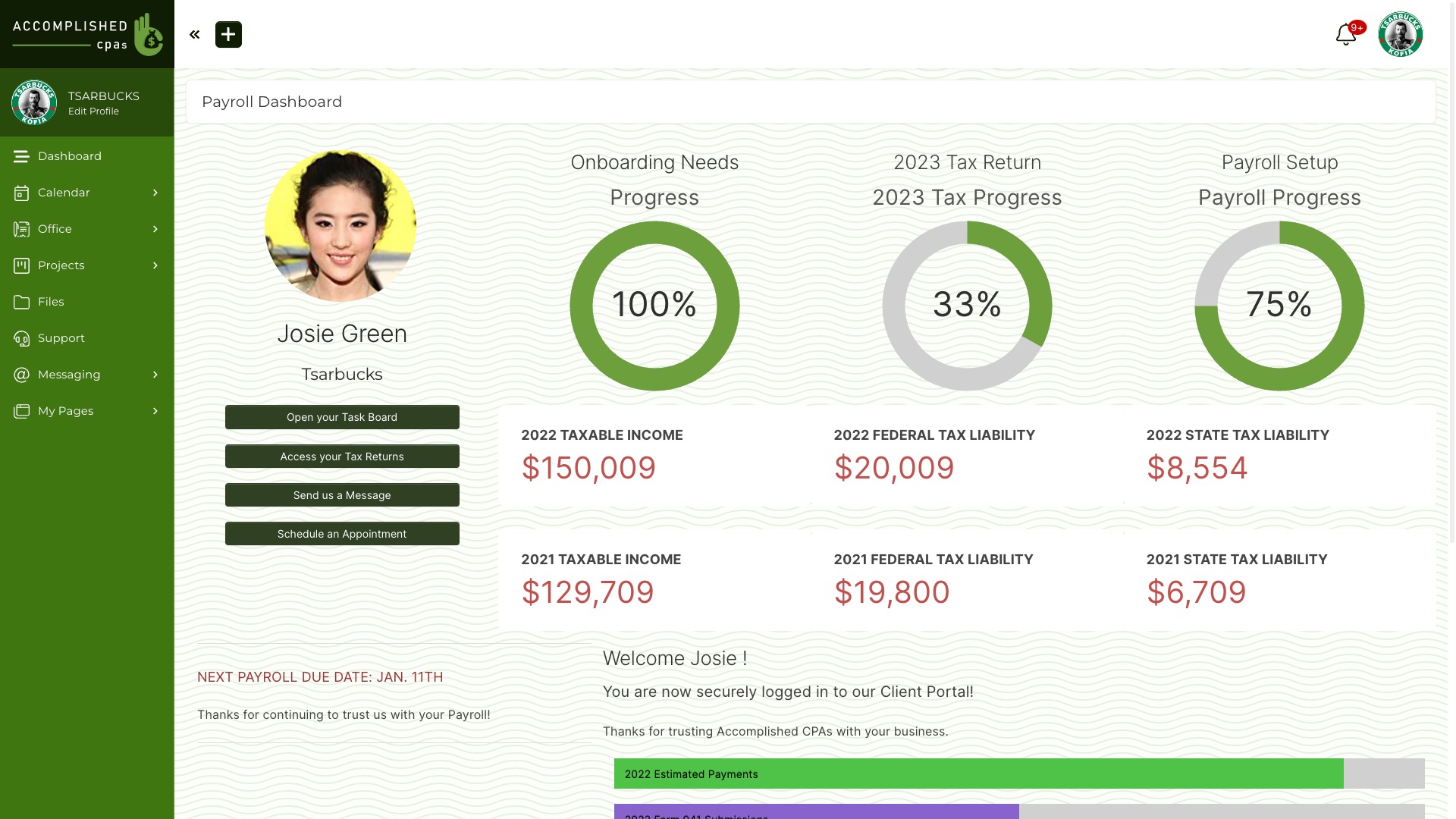
SuiteDash keeps billing alongside the Client record, Projects and the Client Portal on a single shared data layer. Staff can prepare an Estimate, create an Invoice, and let a Client review bills in the Billing Dashboard. The separate Invoicing and Billing feature tour shows the toolkit in context.
For time-based work, SuiteDash Timers can record time on a Task or Project. A paused Timer can be added to a new or existing Invoice as an Item. The Timer allocation guide explains the steps and rate calculation.
Set up a supported Payment Gateway with your own account. Then test the client-facing payment flow, invoices and receipts with a small sample before moving live work into the system.
Where SuiteDash may not be the right fit
SuiteDash is a connected client-operations and billing platform. If your primary need is a full accounting ledger, payroll or tax filing, evaluate a dedicated accounting system for those jobs alongside your billing workflow. SuiteDash also has more to configure than a single-purpose invoice form, so plan real setup time for your items, gateways and client access.
A free invoice template may be enough if you send only a few bills and do not need payment collection, recurring services, tracked time or a client portal. If those steps are connected in your business, compare the complete workflow rather than the invoice screen alone.
Common questions about browser-based billing
Is SuiteDash invoicing software free?
SuiteDash offers a 30-day free trial. Its published paid plans start at $19/month and use flat account pricing with unlimited Staff and Clients. Check the current pricing page before you buy.
Are a Subscription Plan and a Recurring Generator the same thing?
No. A Subscription Plan charges a Client automatically on a schedule after the initial payment. A Recurring Generator creates a new Invoice on a schedule for the Client to pay manually.
Can tracked project time go onto an invoice?
Yes. SuiteDash Timers can track work on Tasks or Projects. Once a Timer is paused, staff can add it to a new or existing Invoice as an Item using the configured hourly rate.
Where can clients see their bills?
The SuiteDash Billing Dashboard lets Clients see open Invoices, pay them, approve Estimates and Proposals, and manage Subscriptions or stored payment information when those options are enabled.
See the complete invoicing toolkit
This guide helps you choose a billing approach. The SuiteDash invoicing software page shows what the product includes, how it connects to client work and the current plan options.
Start a 30-day free trial