Client Onboarding Software for Consultants and Coaches: Five Options
Client onboarding starts when a prospect becomes a client and your team needs to turn an agreement into useful work. A good process gives everyone a clear next step: collect information, sign documents, schedule a kickoff, assign delivery work, share files and confirm payment where needed. The software choices below support different parts of that journey. They are five approaches to evaluate, not a measured ranking. See our client onboarding software comparison.
We checked the linked product documentation in October 2026. Features and plan access can change. Use the same sample client workflow in each product and confirm current entitlements before choosing.

Map the work before comparing tools
Write down what happens from the signed agreement to the first deliverable. Decide who collects intake details, which documents need signatures, when the client gets access, what the internal team sees, and how progress is shared. A form or checklist may cover the first step without giving clients a lasting workspace.
- Client view: Can the client see only their own tasks, files, appointments and messages?
- Team handoff: Does intake create the right contact, project and assignments, or is another step required?
- Exceptions: Can staff pause an invitation, approve a new client or handle missing documents?
- Payment: Are proposals, contracts, invoices and payment steps part of the same flow?
- Plan fit: Which onboarding, portal, user and automation features are included in the plan you would buy?
Five onboarding approaches to evaluate
1. SuiteDash: onboarding tied to CRM, projects and portal access
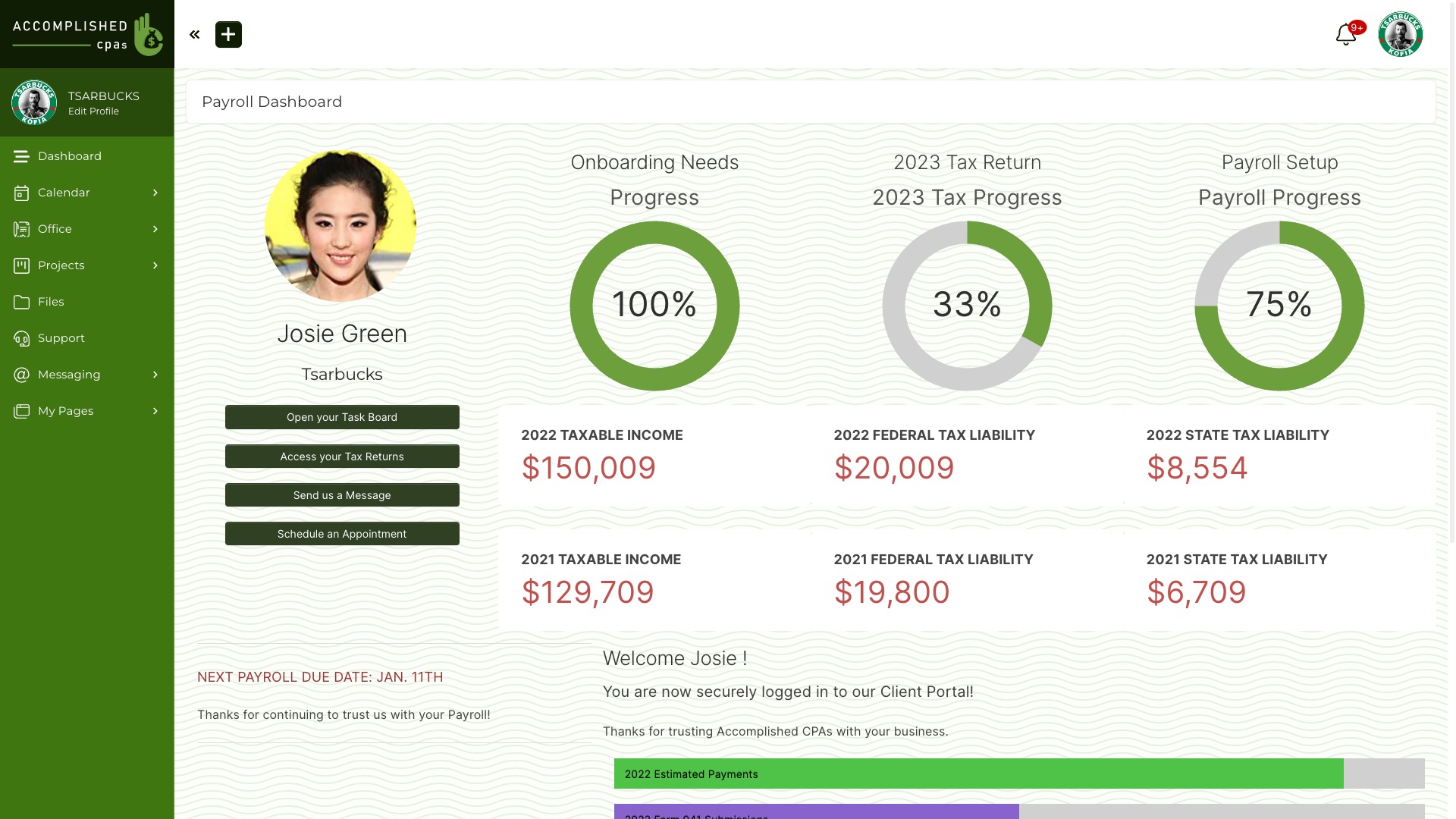
SuiteDash Kickoff Forms can collect a new contact’s details and set assignments. A Project Generator can create a client-assigned project when configured for onboarding. The team can decide whether to send a Portal Access Invitation immediately or after review. For more structured steps, On-Boarding FLOWs can require forms, files, appointments or signatures before a client continues into the portal; Help says FLOWs require the Pinnacle plan.
Test it when: your service team wants to connect intake, the CRM record, delivery work and a client portal in one account. Create a sample client and inspect what the client sees. Check role, plan and assignment settings rather than assuming every handoff runs automatically. See the onboarding feature tour for the client-facing journey.
2. HoneyBook: client booking and documents in smart files
HoneyBook’s smart files can combine onboarding questions, service selection, contracts, invoices and payment screens. Its documentation also describes adding scheduling to a smart file or lead form. This is a way to guide a client through booking and initial paperwork.
Test it when: the first client experience is a proposal, agreement, appointment and payment. Confirm how the client’s ongoing project, files and messages will be handled after that booking step, and which plan permits the flow you need.
3. Dubsado: lead forms, projects and a client portal
Dubsado’s lead capture forms can create a project when a prospect submits information. Its forms include questionnaires, proposals and contracts. Dubsado explains which items appear in the client portal and which remain private. A task board shared with the client is shared as a whole, so test its visibility before inviting a client.
Test it when: your process relies on forms and a project-based client view. Run a lead capture form through to a client portal sign-in, then verify document status and board permissions with a client account.
4. Practice Better: client intake and sessions for health and wellness coaches
Practice Better’s onboarding guide covers client invitations, intake forms and services. Its scheduling page describes client booking, reminders and forms, while its client portal page shows how clients can book, complete forms and pay invoices. This is a focused option to assess when appointments drive a health or wellness coaching relationship.
Test it when: clients book recurring health or wellness coaching sessions. Check the exact forms, package rules, payment setup, plan access and client portal view your business needs.
5. Process Street: repeatable onboarding workflows around other systems
Process Street describes professional-services client onboarding workflows with owners, intake forms, due dates, approvals and handoffs. Its own guide positions Process Street as an execution layer alongside an existing CRM, billing system, document repository or portal.
Test it when: the hard problem is making sure every internal step happens consistently. Map the connections to your CRM and client-facing workspace, and test what the client sees outside the checklist.
Run one realistic onboarding test
Use a sample consultant or coach and one new client. Submit an intake form, review any approval step, send an agreement, schedule the kickoff, request a file, create the first project or task, issue an invoice and sign in as the client. Record each manual handoff, configuration step and plan restriction. Repeat the same test in each contender. A vendor page can describe a feature, but the configured account shows how the steps fit together for your team.
Compare the full cost of the plan, user roles, portal access, storage and the tools you must keep alongside it. Avoid treating a single starting price or a subjective ranking as proof that one platform fits every service business.
Choose the workflow that matches your service
If your team wants CRM, onboarding, projects and client access together, test SuiteDash’s configured handoff. If the first transaction is a booking, contract and payment, test HoneyBook. For a health or wellness coaching practice built around sessions and packages, assess Practice Better. If forms and a project-based client portal matter most, test Dubsado. If you already have your CRM and portal but need disciplined internal execution, assess Process Street. The best choice is the one that completes your actual client journey with permissions and costs you understand.
Try SuiteDash with a sample client and check both the staff and client views before building a live onboarding workflow.