SuiteDash and Basecamp: Compare Client Workflows
Both products can help teams coordinate project work. Compare how they organize projects, involve clients and fit the rest of your business before deciding what to use.

How do the products organize projects?
Basecamp organizes work around project pages, with tools including to-dos, message boards, chat, calendars and card tables. Teams can choose the tools they need for a project.
SuiteDash projects organize work around a client and an objective, with optional tasks. Each project requires a client. Check the roles and project settings that apply to your team.
What should clients see?
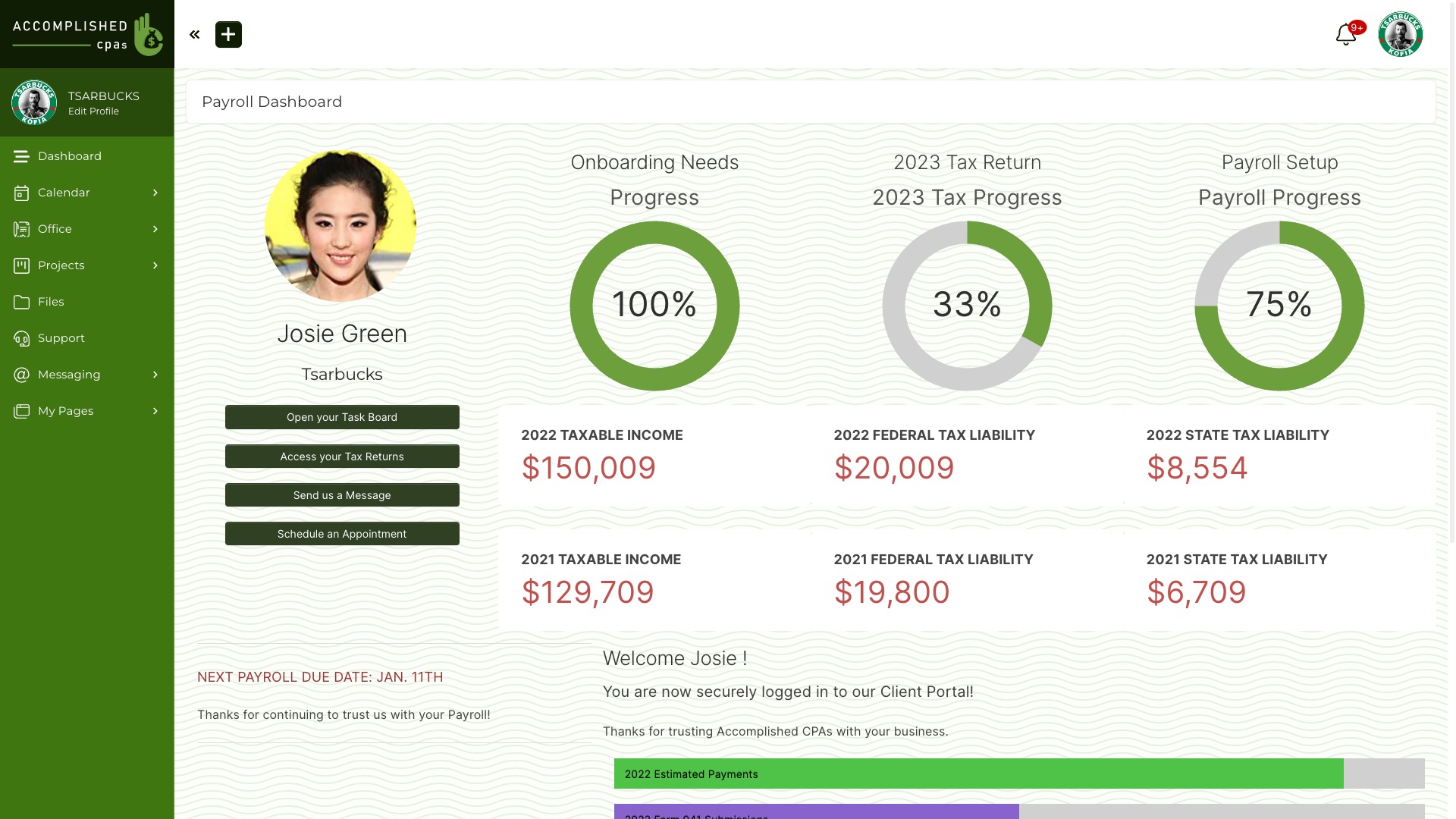
Basecamp describes a Client mode that lets a team decide what clients can see in a project. SuiteDash offers a configurable project dashboard and settings for client visibility. In either product, test a client account before sharing real work.
What else is part of the journey?
For a team primarily comparing project coordination, examine how each product handles tasks, discussion, files and access. For a business that also needs a client portal, CRM, invoicing or onboarding, evaluate those workflows in SuiteDash alongside the project features. Availability depends on the plan and any optional services.
How should you compare costs?
Check Basecamp’s current packages and SuiteDash pricing for the number of people and projects, storage, features and billing terms you need. Include any optional services and other tools in your total. Which option costs less depends on your requirements.
Try one representative project
- Create a test project and a few tasks in each product.
- Invite a test team member and check their access.
- Use a test client to inspect what is visible.
- Compare the handoff from an initial request through delivery and, if relevant, billing.
- Review the time, settings and total cost for the full workflow.
See SuiteDash project management for a broader overview.