Why Your CRM Should Remember the Company, Not Just the Person
You’ve been working with a client company for two years. You know the projects, the invoices, the history. And your main point of contact there – the person you email, the person who logs into your portal, the person who approves deliverables – just gave their two weeks’ notice.
Now what?
This is one of those problems that doesn’t feel urgent until it happens to you. And then it’s a scramble. Because in most platforms, that person isn’t just a contact. They’re the anchor that holds everything together. When they leave, the question isn’t whether something breaks. It’s how much.
The way most platforms handle this
In a typical CRM or client management tool, your records are organized around people. The contact is the center of gravity. Projects, invoices, documents, communication history – it all hangs off that one person’s record.
That works fine as long as that person stays put. But people don’t stay put. They get promoted. They change roles. They leave the company entirely. Maybe they move to South America, live in a yurt, and raise alpacas. It happens.
When it does, you’re stuck trying to untangle what belongs to them personally and what belongs to the company they represented. Some platforms make you manually reassign every project, every invoice, every open item to a new contact. Others just orphan the data – the contact is archived or deleted, and the history goes with them.
Either way, you’re doing cleanup work that has nothing to do with serving your client. And it’s not a one-time thing. The more client companies you work with, the more often someone’s going to leave. It’s just part of doing business with organizations.
What’s actually at stake
The real cost isn’t the hour you spend reorganizing records. It’s what falls through the cracks while you’re doing it.
An invoice that was tied to someone who’s gone and now sits in limbo. A project that loses its connection to the client because the person it was assigned to no longer exists in your system. Communication history that disappears because it lived under a person’s name, not the company’s. A new contact at the company who walks into a blank slate instead of a fully intact account.
If you’re running a service business – an agency, a consultancy, a firm of any kind – your relationship is with the company. But your tools are built around the person. That mismatch doesn’t show up on day one. It shows up on the day someone leaves, and by then you’re already behind.
How SuiteDash handles this differently
We built SuiteDash around what we call a Company-first architecture. The logic is straightforward: when you do business with a company, your records should belong to that Company – not to whichever person happens to be your point of contact today.
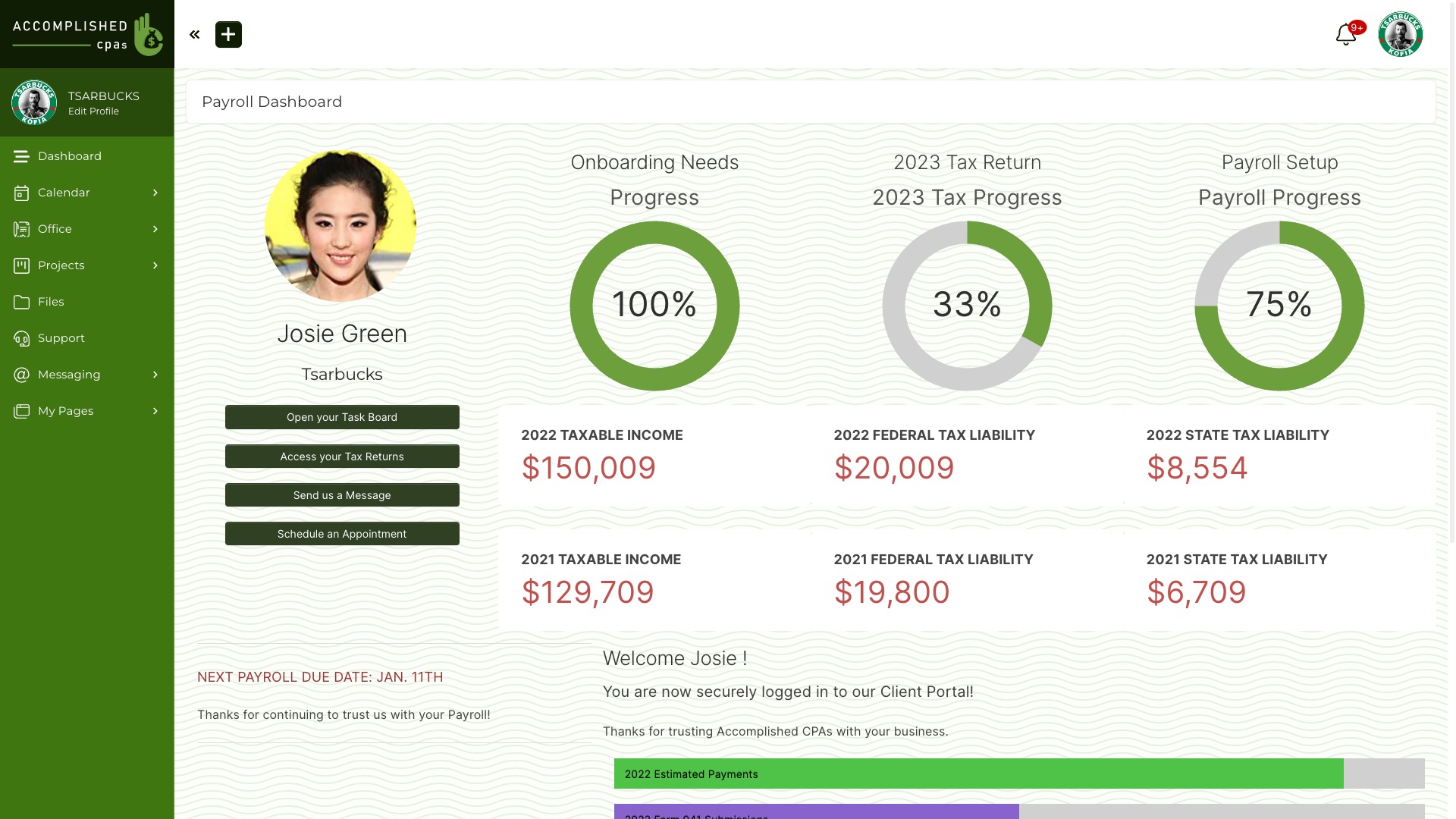
Here’s how it works in practice. When you bring a new client into SuiteDash, that client can be a Company. As that Company moves through your workflow, it gets assigned to Projects, Invoices, and the rest of your operational data. The Company is the anchor. Not any individual person.
But of course you still need a human to interact with. Companies don’t have arms and legs. They don’t log into your portal, read emails, or sign off on deliverables. That’s where the Primary Contact comes in.
Every Company in SuiteDash has a Primary Contact. That person represents the Company on the platform. They receive email notifications, log into the client portal, and take actions on behalf of the Company. But the key distinction is this: they represent the Company. They don’t own its data.
So when your contact leaves – whatever the reason – the transition is simple. You go into your CRM, open the Company record, and assign a new Primary Contact. The previous person automatically becomes a secondary Contact on the Company, so you don’t lose their history either.
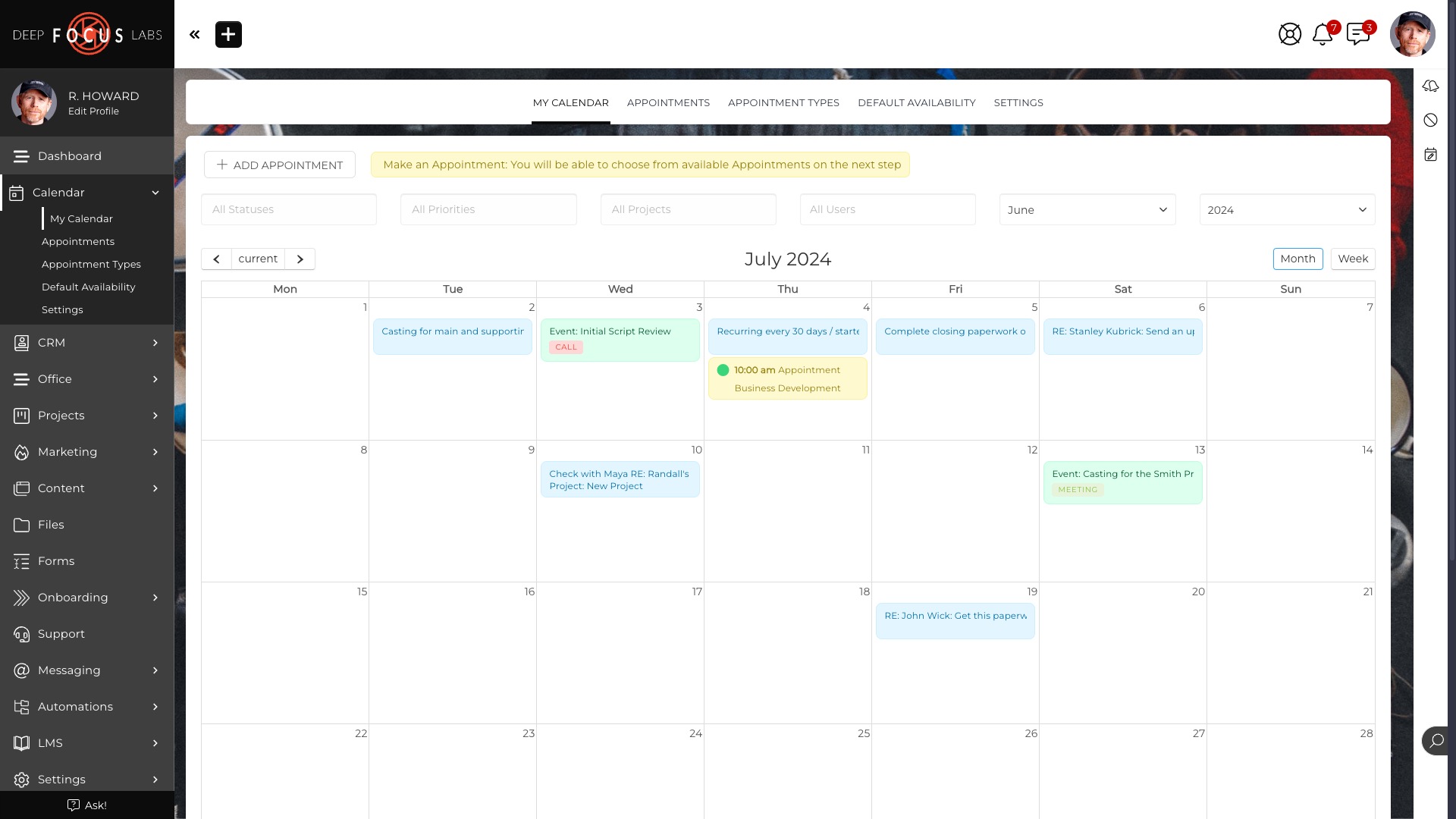
Every Project stays assigned to the Company. Every Invoice stays connected. Your communication trail is intact. Nothing moves, nothing breaks, nothing needs to be manually reassigned one item at a time. The Company’s record is continuous regardless of who is sitting in the chair.
What “replacing” actually means
One thing worth being clear about, because the language can trip people up. You don’t remove a Company’s Primary Contact – you replace them. SuiteDash requires every Company that’s a Prospect or Client to have a Primary Contact assigned at all times. That’s a deliberate design choice.
If you try to delete someone without assigning a replacement, the platform will stop you. The workflow is always: assign the new person first. The previous Primary Contact steps into a secondary Contact role automatically. There’s never a gap where a Company exists in your system without a human attached to it, and there’s never a moment where you lose access to the outgoing person’s history.
There’s also a detail that matters if you work with larger clients or organizations with multiple divisions. The Profile Switcher lets one person represent more than one Company when they log in. So if someone at your client’s organization handles two subsidiaries, they can switch between them in a single session without needing separate accounts. It keeps things clean on their side without creating duplicate records on yours.
What this means for your business
The practical difference is that people coming and going at your client companies stops being a systems problem. It becomes what it should be – a relationship moment. You’ll want to introduce yourself to the new contact, bring them up to speed, build trust. But you won’t be spending an afternoon reassigning records or wondering what got lost in the transition.
Your operational data stays with the Company where it belongs. Your history is preserved. And the new Primary Contact walks into a fully intact account on day one – every Project, every Invoice, every prior interaction right where it should be.
If you’ve ever lost track of a project because the person attached to it left, or had to rebuild an invoice trail after a contact was archived, you know how much time that costs. Build your workflow around the Company instead of the person, let people come and go as they will, and your records stay whole.
Related reading
Ready to Run Your Whole Business From One Login?
Start your free 14-day trial on the Pinnacle plan. No credit card required. Every toolkit, nothing held back.