Redmine Alternative for Client Project Work
Redmine is a capable, open-source project and issue tracker. SuiteDash is a hosted workspace for service businesses that manage client relationships as well as project delivery. The useful question is which workflow your team needs, and which parts you are prepared to configure and maintain.
Redmine is written in Ruby on Rails and can be self-hosted. Its documented core includes issue workflows, multiple projects, roles and permissions, Gantt charts, calendars, time tracking, wikis and files. If those are your central needs, keep Redmine in the comparison. If clients also need a branded place to see work, exchange information and pay invoices, test how you would assemble that journey in each option. Product details were checked against official documentation in November 2026; plans and plugin support can change.

Where Redmine fits
Redmine gives teams detailed control over project and issue workflows. Its official feature list documents role-based permissions, custom fields, time entries, project wikis, repository connections and more. A technical team that already runs Redmine and values a self-hosted, open-source system may have good reasons to stay.
Redmine also has a plugin ecosystem. So it would be misleading to say Redmine categorically cannot support a client-facing or business workflow. Check the exact plugins you would use, their current compatibility and support, and who will own installation, updates and the connected experience. Self-hosting gives control, along with operational work that varies by your setup.
Where SuiteDash fits
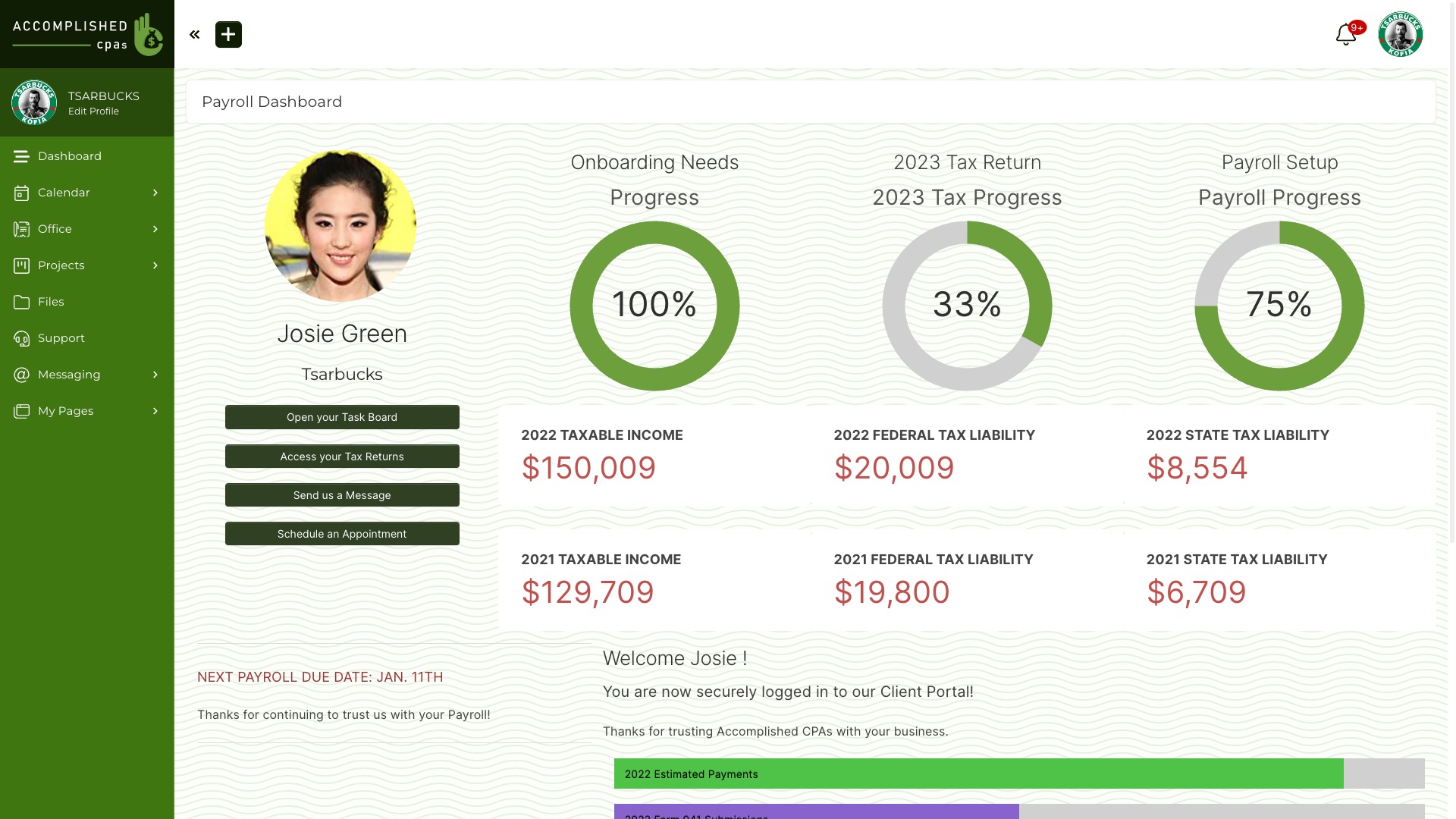
SuiteDash begins with the client relationship. Its CRM organizes Contacts, including Leads, Prospects and Clients. Portal access is for Prospects and Clients, with access configured for the people and work you intend to share.
In SuiteDash, every Project has a Client. Staff can organize tasks and phases, while client-visible project information and a Project Dashboard can be configured for the client view. You can assign Portal Pages to Contacts and staff, and create Invoices for Clients inside the platform. Those pieces need setup and permissions review; they are not a promise that every handoff happens automatically.
This may fit a consulting, agency or other service team that wants projects, client access, CRM records and billing in one configured workspace. Review current SuiteDash plans for the features and optional products in the offer you would buy.
A practical comparison test
- Start with one real project. Create the project, add an internal task, assign a staff member and record time. In Redmine, use your planned roles and issue workflow. In SuiteDash, assign a test Client and configure what that Client can see.
- Invite a client. Ask them to find the current status, a shared file and the next action. Note what takes core setup, a plugin, a separate tool or a manual step.
- Finish the business handoff. Send a realistic invoice and check the client view. If Redmine is part of your stack, include the billing product and integration you actually plan to use.
- Count the full operating cost. Include hosting and maintenance or vendor subscription, plugins and integrations, staff effort, and the time to configure permissions. Check the current plan and plugin terms before deciding.
How to choose
Choose Redmine when its configurable issue and project workflow, open-source model and hosting control are the priority, and your team can own the surrounding client and business systems. Evaluate SuiteDash when the client relationship and delivery workflow need to connect across CRM, projects, portal access and invoices. In either case, test the exact client journey and permissions before migrating existing work.
Try SuiteDash with a sample client, then compare what your staff and that client can actually do with your current Redmine setup.