Best flat-rate CRM with unlimited users
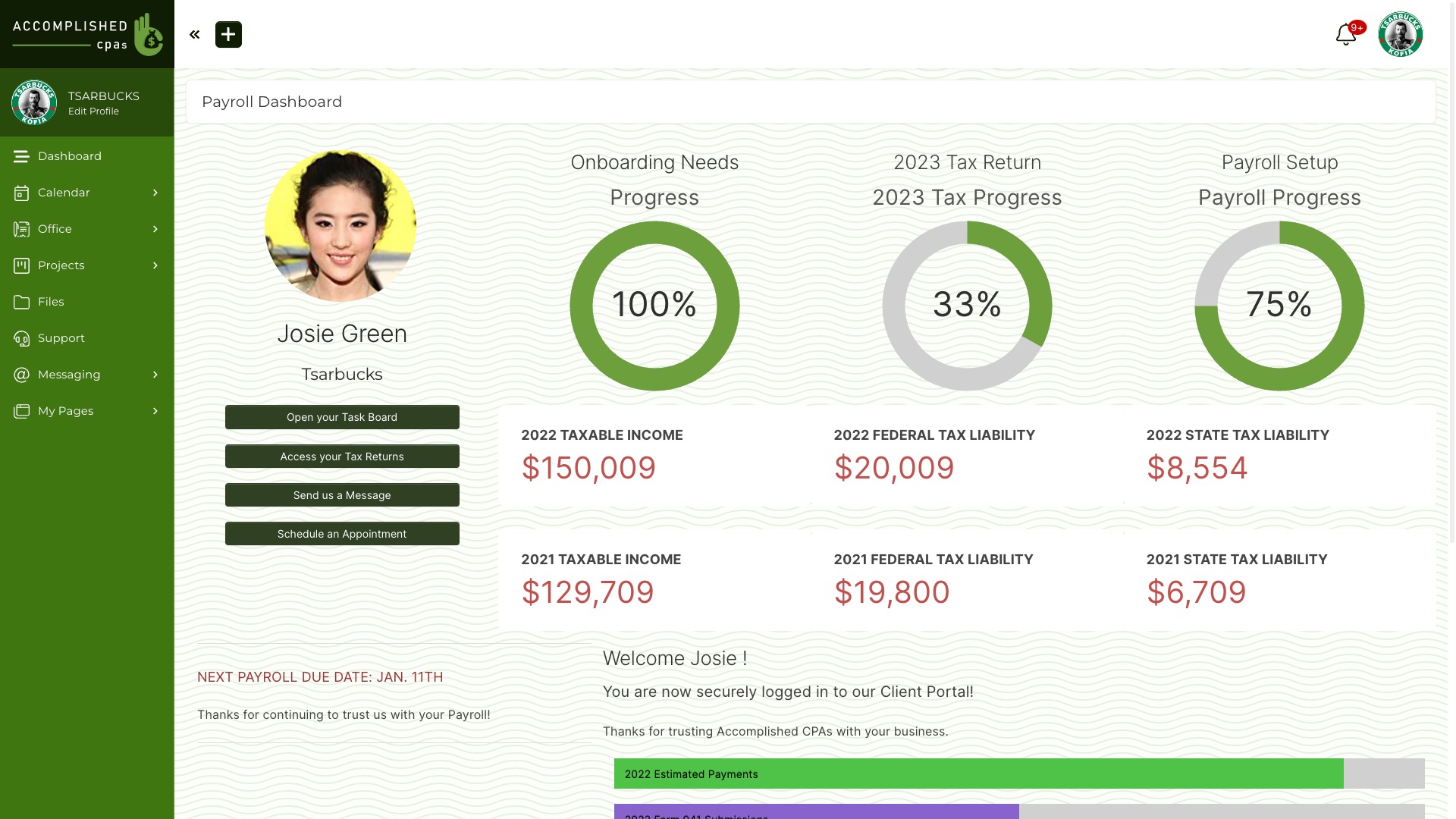
A flat-rate CRM with unlimited users keeps the whole agency on one plan. SuiteDash includes unlimited Clients and Staff on every plan at one price, not per user, and pairs CRM with the rest of its 25+ toolkits on a single shared data layer.
What is the best CRM software for a small agency or service business?
SuiteDash can fit a service business that wants CRM, client portals, projects and invoicing together with unlimited Staff and Clients. A focused sales CRM may fit better when deep forecasting is the priority or the team only needs a simple pipeline. Compare plan features and any usage-based or optional charges as well as user limits. For a broader buyer comparison, see the best CRM options for agencies.
Flat Rate and Unlimited Users Are Not the Same Thing
Most buyers searching for a flat-rate CRM are really solving one problem: they are tired of the bill going up every time somebody joins the team. That is a reasonable thing to want, and a surprising number of platforms advertise it. The catch is that flat rate and unlimited users are two different promises, and the market uses them almost interchangeably.
A flat-rate plan means you pay one price for the plan rather than a price multiplied by headcount. It does not automatically mean the plan holds everyone. Several of the best-known flat-rate platforms include a fixed number of seats and then charge for the next one, or push you to the next tier. That is still better than pure per-seat pricing, but it is not the thing most people think they are buying.
The test that separates them is simple, and it is worth applying to every platform on your shortlist: what happens to my invoice when I add my eleventh user? If the answer is a bigger number, the plan is capped, whatever the pricing page calls it. This page sorts the options by that answer, because it is the only one that matters six months in.
Why Per-Seat Pricing Compounds Faster Than It Looks
Per-seat pricing is not unreasonable in itself. It is how most software is sold, and for a single tool with a handful of users it is genuinely cheap. The problem is that it rarely stays a single tool.
Consider the arithmetic honestly. Monday.com’s CRM runs $12, $17 or $28 per seat per month on annual billing. HubSpot’s Starter customer platform is $20 per seat per month at standard rates. Neither is expensive on its own. But a service business does not run on a CRM alone, it also has project management, invoicing, a scheduling tool, file sharing, e-signature and a client portal. Buy four or five of those per-seat and each new hire is not one line item, it is five.
That is the part that catches people out. Cost grows on two axes at once: the number of people and the number of tools. A stack that felt sensible at three people is genuinely painful at fifteen, and the pain arrives exactly when you are growing and least want a procurement conversation.
There is a second-order effect worth naming too. When seats cost money, teams ration them. The bookkeeper does not get a login, so someone forwards them a spreadsheet. The contractor does not get access, so work happens over email. The system stops reflecting reality, which quietly undermines the reason you bought it.
The Genuinely Flat, Genuinely Unlimited Options
Only a small number of platforms combine a flat price with no seat ceiling at all. Here they are, with what each is actually good at.
SuiteDash
SuiteDash is flat rate with unlimited users on every plan: Start at $19 per month, Thrive at $49, Pinnacle at $99. Adding Staff or Clients does not add a per-user plan charge. Usage-based services and optional extras can affect the total bill.
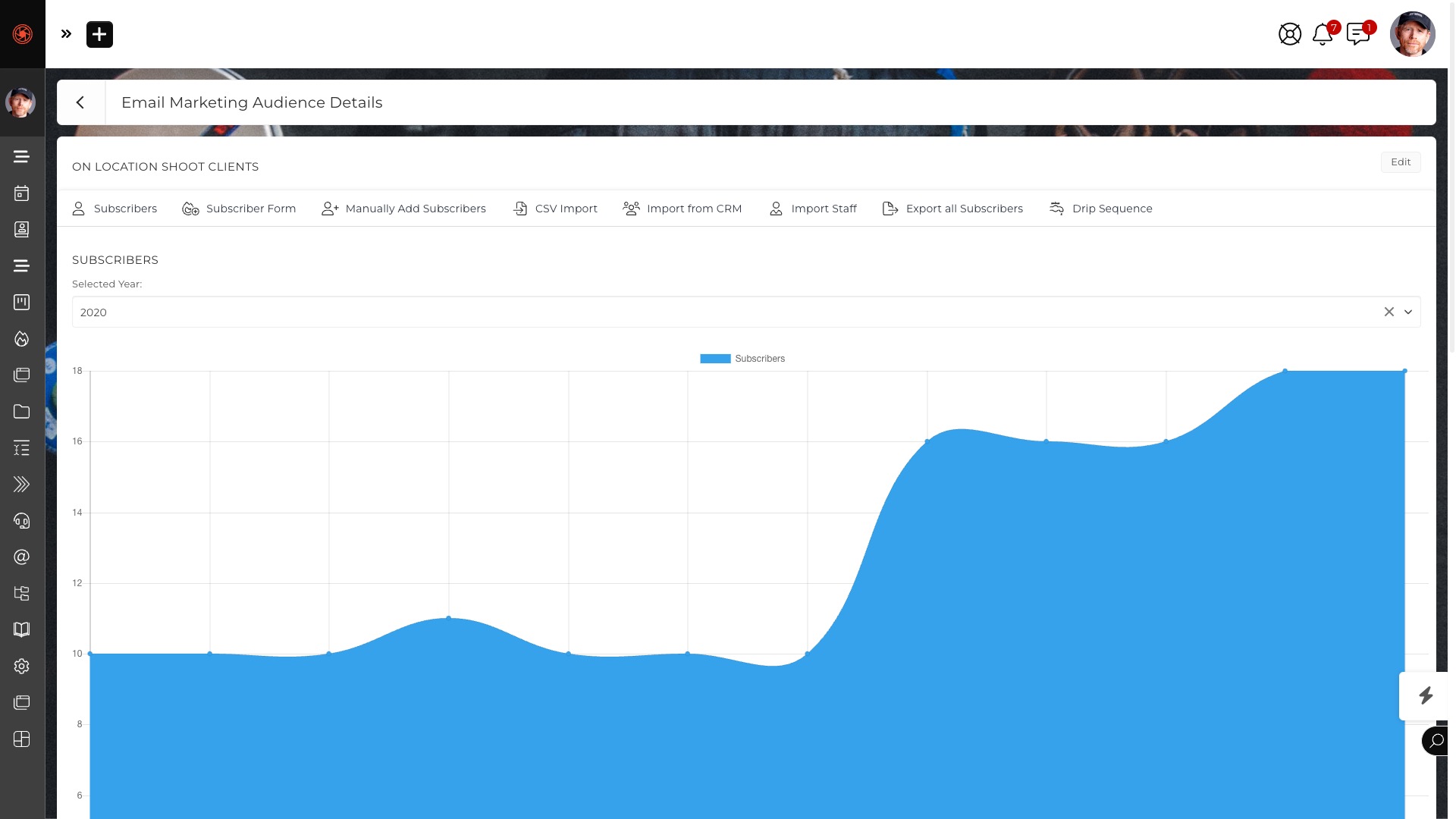
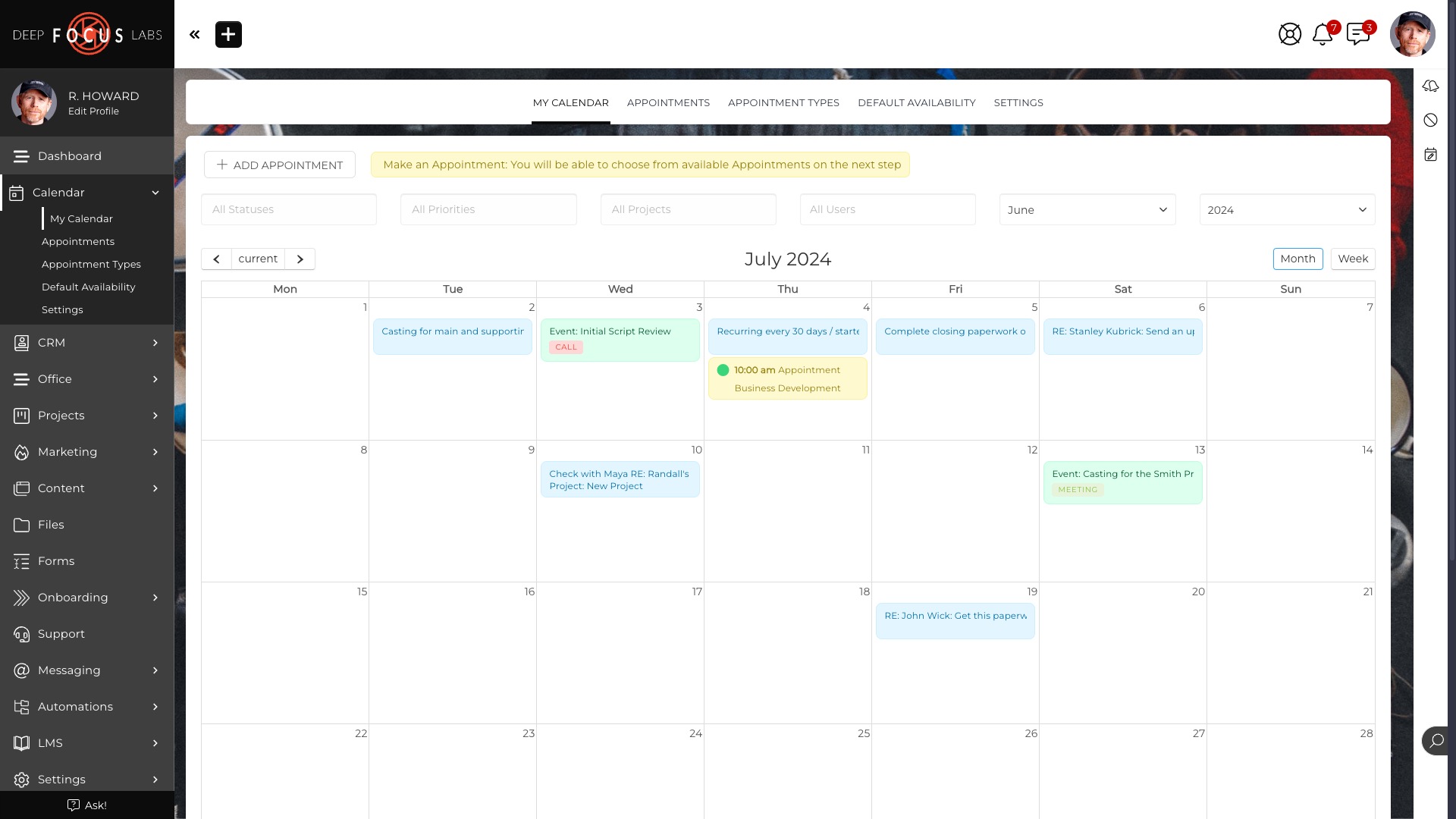
SuiteDash connects CRM, invoicing, projects, scheduling and client portal tools in one platform. Plans include unlimited Staff and Clients; check plan-specific features and optional service charges. The capability list is broad enough that the flat price is doing real work: CRM, Client Portal, Client Onboarding, Project Management, Task Management, Time Tracking, Invoicing and Billing, Estimates, Proposals, Contracts, Subscriptions and Recurring Payments, Service Subscriptions, Deals and Sales Pipeline, Appointment Scheduling, Email Marketing and Drip Sequences, Forms, Automation and FLOWs, Documents and eSigning, File Exchange, Support Tickets, Secure Messaging, Live Chat, a Learning Management System, Dashboards and Portal Pages, the Content Block Editor, Reporting and Analytics, and Translation and Localization.
Best for: service businesses, agencies and professional firms that want client-facing operations and internal operations on one system. Don’t choose SuiteDash if you want a specialist sales CRM with deep forecasting and territory management, or if your team is one person who only needs a pipeline, the broader setup may take more work than a focused tool.
Pricing: $19 / $49 / $99 per month, unlimited users on all three. Century plans are $2,240 / $3,940 / $6,840 as one-time payments. See current SuiteDash Pricing. The 30-day Pinnacle trial needs no credit card and includes nearly all features; Marketing Autoresponders require a paid plan. SMS, marketing email and A.I. services may have separate charges; check current service terms before choosing.
GoHighLevel
GoHighLevel prices flat per account, $97, $297 and $497 per month, with unlimited users and unlimited contacts on every tier. For a marketing agency it is a genuinely strong answer, and we are not going to pretend otherwise: its sub-account model supports separate client environments, while its funnel and campaign tools are central to its offering.
Best for: marketing agencies running lead generation and nurture campaigns for local businesses. Don’t choose GoHighLevel if your clients are not marketing-focused and you need a different workflow, or if metered usage does not fit your budget.
The caveat that matters: unlimited users does not mean unmetered everything. SMS, email and AI credits meter separately and bill overages, so the flat headline price is the floor rather than the bill. HighLevel lists rebilling without markup on Unlimited, and SaaS Mode and rebilling with markup on its $497 plan.
Rated 4.8 out of 5 from 600+ reviews on G2 (as of November 2026). Read reviews on G2
Flat Rate, But Capped: Read the Seat Count
These platforms are commonly recommended as flat-rate options, and the label is fair. The seat ceiling is the thing to check before you commit.
Bitrix24
Bitrix24 charges one price per organisation rather than per user, which is real flat-rate pricing, and the amount of software you get for the money is genuinely impressive. But every tier includes a fixed user allowance: Basic is $69 per month for 5 users, Standard is $144 for 50, Professional is $289 for 100, and Enterprise starts around $579 for 250 and scales up from there. The free tier holds 1–2 users.
For a fifty-person company, $144 a month is extremely good value and the cap is irrelevant. For a six-person company, compare the cost of the next tier when adding that sixth user.
Best for: larger teams that fit neatly inside a tier and want maximum feature surface per dollar. Don’t choose Bitrix24 if you are just over a tier boundary, or if the breadth becomes complexity your team will not absorb.
Agiled
Agiled markets itself squarely at the same buyer, and prices flat per company at $24, $59, $99 and $199 per month on annual billing. Clients, leads and contacts do not consume seats, which is a sensible design. But team seats are included at 1, 3, 7 and 15 respectively, and additional team members cost $20 per seat per month on the Pro tier and above.
That $20 overage is the number to model. A ten-person team on the Business plan is $99 plus three extra seats at $20, so $159 per month, still reasonable, but no longer flat, and it grows with the team exactly like a per-seat product.
Best for: solo operators and small teams that fit within the included seats. Don’t choose Agiled if you expect to add contractors or part-time staff regularly, because each one re-opens the pricing conversation.
The Per-Seat Majors, and When They Are Still Right
It would be dishonest to write this page as though per-seat pricing were a mistake. For a lot of companies it is the correct trade, and the platforms that use it are excellent.
HubSpot offers marketing and sales CRM tools, with a free tier and a Starter customer platform at $20 per seat per month at standard rates. If your business is sales-led, your team is small and senior, and you want its pipeline and marketing automation tools, the seat cost buys something real.
Monday.com is a work-management platform with CRM plans at $12, $17 and $28 per seat per month on annual billing, subject to seat minimums. If cross-functional project visibility is your main need, test its boards alongside your client workflow.
Flowlu is often listed as flat-rate and is not: its paid plans are $9, $17 and $24 per user per month when billed annually, according to Flowlu Pricing. For a small team it may cost less than a flat plan; its paid price scales with the number of users.
Pipedrive and Zoho occupy similar ground: mature, focused, per-seat, and a good fit when you want one job done extremely well rather than many jobs done natively.
The honest rule is this. If you need one tool and your team is small and stable, a per-seat plan may be a better fit. If you need several tools and your headcount changes, compare the full cost of flat-rate and per-seat plans for your team.
How to Choose Without Regretting It in Six Months
Count the people you are not giving logins to
This is the most useful diagnostic we know. If there is a bookkeeper working from emailed exports, a contractor who never got access, or a part-time assistant sharing someone else’s password, you are already paying the cost of per-seat pricing, just in workarounds rather than dollars. Those people are the ones an unlimited-user plan brings into the system.
Model your headcount at eighteen months, not today
Take the plan you would buy now and add the four people you expect to add. On a per-seat product multiply. On a capped flat plan, check which tier that lands in and price that tier. Compare those two numbers rather than the ones on the pricing page.
Count the tools, not just the CRM
If a flat-rate platform replaces four subscriptions, compare it against the total of those four, not against the CRM line alone. If it only replaces the CRM, compare like for like and a per-seat specialist may well win.
Check what is metered underneath the flat price
Flat rate on seats does not mean flat rate on everything. SMS, marketing email, AI credits and storage are commonly metered, and that is where a predictable bill becomes unpredictable. Ask what the overage costs and whether the platform marks it up or passes it through at cost.
Test the ceiling before you migrate
Whatever you shortlist, add a dummy user on a trial and watch what the billing screen says. Pricing pages describe intent; the billing screen describes the contract.
Common Questions
Is a flat-rate CRM always cheaper than per-seat?
No. For a small, stable team using one tool, a per-seat plan can cost less. A flat rate can be useful when headcount varies or the platform replaces several subscriptions. Calculate the crossover using the actual plans, users and extra services your team needs.
What is the difference between unlimited users and unlimited contacts?
Users are people who log in and do work, such as staff, contractors and bookkeepers. Contacts are the clients and leads stored in the system. Many platforms are generous with contacts and strict with users, because users are what they charge for. Agiled makes this explicit: clients and leads do not count as seats, but team members do. Always check whether the unlimited claim applies to users, contacts or both.
Which CRMs genuinely have unlimited users with no seat cap?
Of the widely used options, SuiteDash ($19 / $49 / $99 per month) and GoHighLevel ($97 / $297 / $497 per month) both offer unlimited users on every tier. Bitrix24 is flat-rate per organisation but capped by tier at 5, 50, 100 and 250-plus users. Agiled is flat per company but includes 1, 3, 7 or 15 seats with a $20 per seat overage above that. Many other well-known CRMs, including HubSpot, Monday.com, Pipedrive, Zoho and Flowlu, price paid plans by seat.
Does unlimited-user pricing mean the product is weaker?
No. Pricing alone does not establish a product’s capabilities. Compare the features, limits, support and total cost that matter to your team. The fair trade-off to expect is depth in any one area: a dedicated tool with one job will usually go deeper than a module inside a broader platform. A connected platform can reduce some handoffs between tools; test the workflow you actually use.
What should I watch for in the contract?
Three things. Whether the seat count is a hard cap or a soft one that triggers overage billing; whether annual billing is required to reach the advertised price; and what happens to metered services such as SMS and marketing email. Those three account for most of the gap between the price people expect and the invoice they receive.
How does SuiteDash compare on trust and support?
SuiteDash launched in 2015. Check current independent reviews and support options as part of your evaluation. The 30-day Pinnacle trial needs no credit card and gives access to nearly all features. Marketing Autoresponders require a paid plan.