You Can Build It With AI. The Question Is Whether You Should.
You already have a business that works. You’ve got a workflow – maybe it’s not perfect, but clients come in, work gets done, invoices go out. The question isn’t whether your business runs. The question is what happens when you try to make it run better using the tools everyone’s talking about.
And right now, everyone’s talking about AI.
Here’s what we see happening. A service business owner watches a demo of someone building a booking page with ChatGPT in twelve minutes. Or they see a tutorial where someone wires up an AI assistant that takes client intake, generates a proposal, and sends a follow-up email – all from a single prompt. It looks incredible. It looks like the future just arrived and it costs twenty dollars a month.
So they try it. And for the first few days, it genuinely feels like magic.
The Party Trick
We’re not going to tell you AI can’t do those things. It can. If you have time and patience and ambition, and you really love spending hours in front of a screen making things talk to each other, you can build a lot with a general-purpose AI tool. ChatGPT has real capability. So do the other platforms. We’ll give them that.
But there’s a difference between building a demo and building infrastructure.
A demo handles the happy path. One client, one scenario, one workflow that you tested yourself and know works. Infrastructure handles the Tuesday morning when three clients book the same slot, one of them needs to reschedule, another one has an outstanding invoice, and the third is a new lead who hasn’t signed their proposal yet.
That’s where the party trick falls apart.
The Surface Problem
To actually run your business operations through a tool that wasn’t built for them, you’re going to need to build out a lot of surfaces. And we mean real, client-facing surfaces that have to work every single time.
Will you build a booking engine? Not a form that sends you an email – an actual scheduling system with availability rules, calendar sync, and the ability for clients to pay when they book.
Will you build a proposal layer? Something a client can open, review options inside, make selections, and approve – not a PDF you email and hope they read.
Will you build document signing? Real eSigning that holds up, that your clients trust with a real signature – not a checkbox at the bottom of a Google Form.
And then will you connect all of that to invoicing, where a signed proposal generates an invoice, the client pays online, and the payment posts to their account without you lifting a finger?
Each one of those is a surface. Each one faces your clients directly. Each one has to be secure, reliable, and professional enough that people trust it with their credit card number and their signature. And each one is a separate piece of software you are now responsible for.
The Maintenance Tax
Let’s say you built all of it. You wired everything together, tested the whole chain, got it working. Congratulations – you just became the IT department for your own business.
Because now you have to maintain it. Week after week. Year after year.
The calendar API changes and your booking flow breaks. The payment processor updates its authentication and your invoicing stops collecting. A client reports that the signing page looks broken on their phone. You spend your Saturday morning debugging a webhook instead of doing the thing your clients actually pay you for.
This is the part nobody shows you in the twelve-minute demo. Building it is the exciting part. Living with it is the job. And that job never ends.
Every surface you built is a surface you now own. Every integration is a dependency you’re responsible for. Every client-facing page is something that can fail at the worst possible moment – when a new client is trying to give you money.
Your Secret Sauce Isn’t Infrastructure
Here’s what we think about when we see service business owners going down this road. You started your business because you’re great at something specific. Maybe you’re a consultant who sees problems other people miss. Maybe you’re a coach who gets real results. Maybe you run an agency that delivers work clients couldn’t get anywhere else.
That’s your secret sauce. That’s the thing you do better than anybody in the world.
Building and maintaining a booking engine is not your secret sauce. Keeping a proposal system running is not your secret sauce. Making sure your payment processing stays compliant and secure – that is definitely not your secret sauce.
You should outsource the things that eat your brain cycles to someone who does that specific thing for a living. Someone whose whole job is to make those surfaces work, keep them secure, and make sure they all talk to each other without you having to think about it. That’s how you scale. That’s how you take your business to the next level instead of spending it neck-deep in infrastructure you never wanted to maintain.
What Changes When the Surfaces Already Exist
This is where SuiteDash comes in – not as a replacement for AI, but as the infrastructure layer you shouldn’t be building yourself.
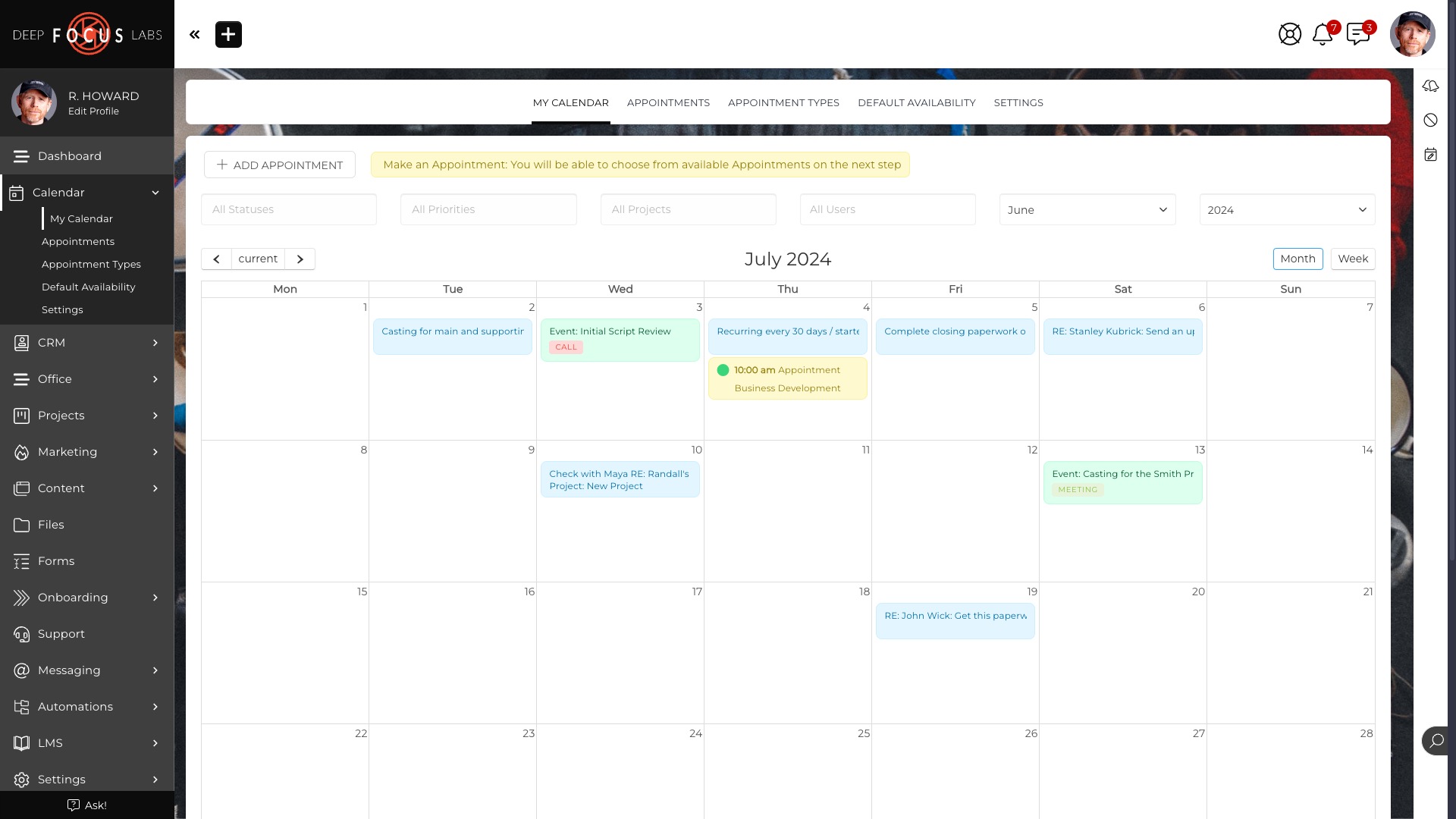
Appointment Scheduling is already built. Clients book through your branded Book Me page, it syncs both ways with Google Calendar, and they can pay when they book. You didn’t build it. You don’t maintain it. It just works.
Proposals are already built. Dynamic Proposals let clients make selections right inside the document, and when they’re ready, they sign with integrated eSigning. That’s one surface doing the job of three duct-taped tools.
Invoicing is already built. One-time Invoices, recurring billing, Estimates, Subscriptions – all connected to Stripe for credit card and ACH payments. The payment doesn’t happen in some external tool you integrated last quarter and forgot how you configured. It happens inside the same system where the Proposal was signed and the appointment was booked.
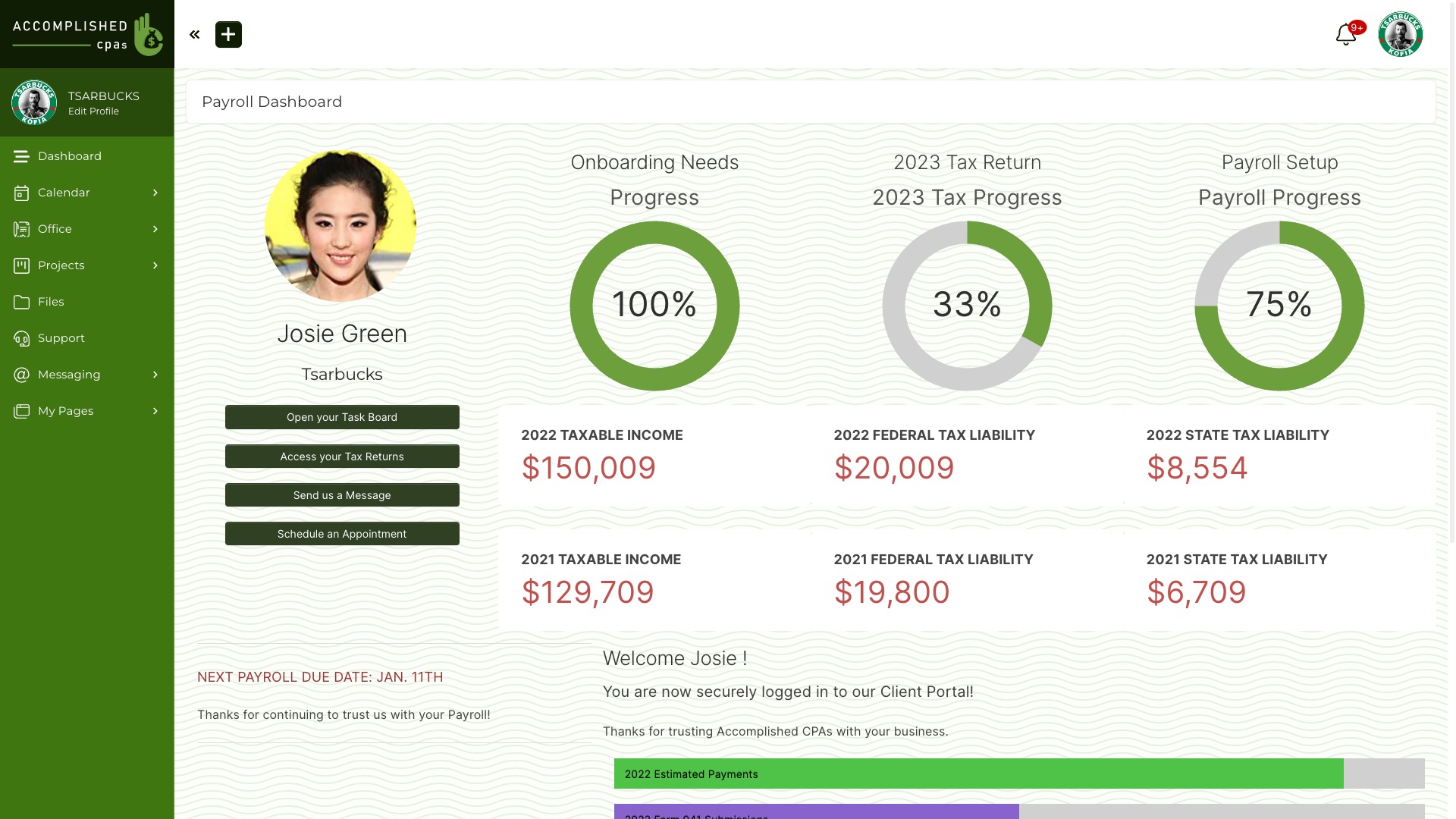
And here’s the part that actually matters: all of these modules share the same data. When a client signs a Proposal, you don’t need to copy their information into your invoicing tool. When they book an appointment, you don’t need to check a separate CRM to see their history. It’s one unified system, one set of client records, zero syncing.
You didn’t build any of it. You don’t debug any of it. You don’t spend your weekends fixing it when something upstream changes.
The Real Question
The real question was never “can AI build this?” The answer to that is yes, technically, with enough effort and enough tolerance for things breaking. The real question is whether you want to spend your working life maintaining what you built – or doing the work that made you start your business in the first place.
We’ve been building business software for over ten years. We know exactly what it takes to keep these surfaces running, because that’s what our team does every day. We handle the infrastructure so you don’t have to.
Focus on your secret sauce. Let the plumbing be someone else’s full-time job.
Related reading
Ready to Run Your Whole Business From One Login?
Start your free 30-day trial on the Pinnacle plan. No credit card required. Every toolkit, nothing held back.