Best All-in-One Business Management Software for Small Businesses (2026)
What “All-in-One” Should Actually Mean
All-in-one business management software can mean different things to different buyers. Start with the jobs your small business needs to connect: client records, delivery, billing, communication and access. Then test how a real client moves between them.
The useful question is how the daily jobs connect. Can your team configure an approved proposal to create an invoice, start the appropriate project work and guide the client through onboarding? Test the exact steps with a sample client. A long feature list does not show which handoffs still require setup.
Some platforms share client records across native tools; others connect separate applications. Either approach may fit, but compare the handoffs, permissions, plan limits and ongoing costs against your own workflow.

Tightly Bound, or Loosely Stitched
The stitched-together stack
The common setup is a CRM from one vendor, invoicing from another, project management from a third, a scheduling tool, a file-sharing service, an email marketing platform, and an automation service in the middle paying for the privilege of introducing them to each other. Each piece is good. The seams between them are where the work leaks out.
Nothing about this is stupid. It is how most businesses arrive at their stack, one sensible decision at a time, over several years. But the result is a hodgepodge held together with connectors, and every seam is a place where data can disagree with itself.
What a shared data layer changes
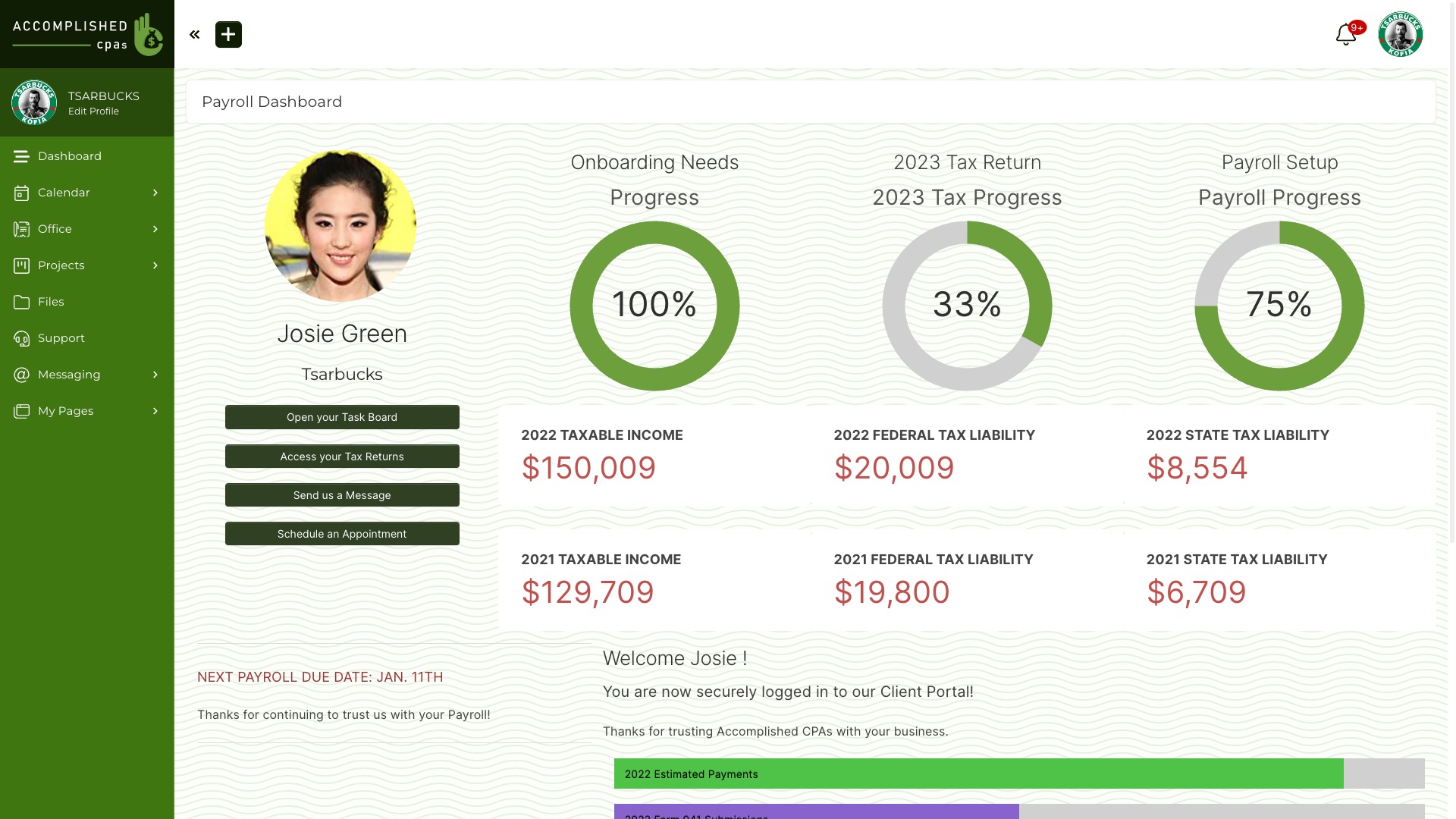
SuiteDash brings client records and several native tools into one platform. A Contact can be connected to projects, invoices, files and other work in the CRM Dashboard. The exact workflow still depends on assignments, permissions, plan features and configured automations.
That architecture can reduce duplicate entry for common client workflows. Check the specific roles, records and automations you plan to use, because a shared platform still needs configuration.
What Breaks in a Stitched-Together Stack
Your client record quietly splits in two
When separate systems each hold a client record, teams may need to check where a change was made and whether the next system received it. During a trial, update one client detail and follow it through an invoice and a project.
Automations break when somebody else ships
A workflow that crosses several vendors depends on their connectors, settings and API changes. Keep an owner and a failure check for each handoff, even if it worked during the initial setup.
The seat maths compounds twice
When several subscriptions charge by user, adding a staff member or contractor can increase more than one bill. Compare the actual seats and access roles your team needs across the full stack.
Compliance day arrives
For privacy or audit requests, map where the client’s information lives, who can see it and how it can be exported. A multi-tool stack can make this work more involved, while a single platform still needs a careful permission review.
What a Single Shared Data Layer Changes
Shared client context can reduce duplicate entry
The CRM contact record can be used across SuiteDash tools. The Contact Dashboard guide shows related projects, invoices, files and more in one client context. Confirm the required assignments and permissions for each toolkit rather than assuming every field appears everywhere.
Configure roles and access for each workflow
SuiteDash provides contact roles, Circles, project assignments, portal settings and file permissions. Those controls work together, and their effect depends on the toolkit and configuration. Use a representative client and staff account to check what each person can see. The Files visibility guide illustrates the role-specific differences.
Configure automation for the handoffs that matter
No-Code Automations can respond to events such as an approved Proposal, an Invoice payment or a completed Project. For example, a Proposal can be configured to convert to an Invoice, while a Project Generator is a separate action you can apply where supported. Review each trigger, action, plan requirement and resulting client view before relying on an automated journey. See the automation guide.
Know where native tools end and integrations begin
SuiteDash’s native tools can reduce the number of external connectors in a core client workflow. You may still use integrations, payment providers and optional services for particular jobs. Map those dependencies and test them before replacing an existing stack.
The tools to check in your plan
SuiteDash covers CRM, Client Portal, Client Onboarding, Projects and Tasks, Time Tracking, Invoicing, Estimates, Proposals, Contracts, Recurring Payments, Deals, Scheduling, Email Marketing, Forms, Automation, Documents and eSigning, File Exchange, Support Tickets, Messaging, LMS, Dashboards and Reporting. Check the current feature inventory and the plan you would buy for the exact capabilities you need.
Some capabilities have plan requirements and some services or Power-Ups carry separate charges. Treat the feature list as a starting point for a pilot, not a promise that every item is included in every plan.
A service business may be able to consolidate several subscriptions. Compare the cost of the SuiteDash plan and optional services with the actual tools and integrations you would replace.
Pricing Is Downstream of the Architecture
SuiteDash lists Start at $19/month, Thrive at $49/month and Pinnacle at $99/month, with unlimited staff and clients on the current Pricing page. Plan capabilities, storage and optional services still affect the full cost.
The flat membership price is useful when a team grows, but price alone does not decide fit. Check the plan’s actual tools, storage, optional services and the work needed to configure your client journey.
Optional services have their own terms. The Service Subscriptions guide lists the Deliverability subscription at $20/month with usage charges above its allowance, plus separate hosted-video and A.I. tiers. The current Pricing page lists a 30-day free trial and Century plans at $2,240, $3,940 and $6,840. Review those pages before budgeting.
Built for Ambitious Small and Medium Businesses
SuiteDash is designed for service businesses that manage client relationships, delivery and billing. The right fit depends on the team, the client journey and the permissions it needs; test those workflows during the trial.
When comparing SuiteDash with another platform, check each vendor’s current official plan page for user pricing, client-facing access, billing and automation. Then compare the total cost and setup work for your actual team rather than relying on a category label.
If your organisation needs segmented environments, review the WORLDs Power-Up separately and confirm its current availability, pricing and permission model for your use case.
White-Label Deep Enough to Resell
If clients will use the portal under your brand, examine the domain, login, email and mobile experience they will actually see. Compare each platform’s current configuration options and any setup requirements.
SuiteDash documents custom URL and login-page branding, along with white-label options. Check the login-page setup guide and test the domain and email configuration before presenting the portal to clients.
Test the full branded journey
Branding does not replace a review of privacy, access and account setup. If reseller presentation matters, test the public domain, login, notifications and client view directly.
The SU1TE Partner Program lists wholesale child-account rates of $14, $34 and $69, subject to the partner agreement and account requirements. Model the partner membership and support costs as well as the child-account rate.
Common Questions
What makes a platform genuinely all-in-one rather than a bundle?
Native toolkits working on one shared database can reduce duplicate entry and the need to connect separate apps. The practical test is what follows an approved Proposal in your configured account: which Invoice, Project and onboarding actions run, and which still need setup?
How is SuiteDash different from Monday.com or HubSpot?
Compare the current official plans and client-facing workflows of any other platform you are considering. SuiteDash’s current pricing lists unlimited staff and clients, while the available toolkits and optional services vary by plan.
Does an all-in-one platform mean compromising on individual tools?
A dedicated tool may go deeper in a particular function. SuiteDash brings several jobs into one platform, while roles, assignments and automation still need configuration. Pilot the work between tools and the client view before deciding whether consolidation is worthwhile.
Can an agency resell SuiteDash under its own brand?
SuiteDash offers custom branding and a SU1TE reseller path. Confirm the domain, login, mobile and notification experience you intend to offer, plus the current partner agreement and account costs.
What does it cost, and is there a trial?
Current monthly Start, Thrive and Pinnacle prices are $19, $49 and $99. The Pricing page also lists a 30-day free trial and Century plans at $2,240, $3,940 and $6,840. Check plan features and optional service costs before choosing.