Practical guide
How to Start a Software Reseller Business
Start with a client problem you can solve, then choose a software model and service you can deliver. This guide walks through demand, partner terms, setup, pricing and a first client pilot. It uses SU1TE as one example while keeping the decisions useful for other programs.

1. Choose the business model first
“Software reseller” can mean different contracts. A referral partner sends buyers to a vendor and earns commission. A services partner implements software the client buys directly. A wholesale reseller may package a client account under its own offer and take responsibility for billing and support. Read the agreement before telling a buyer which model you offer.
If you need a side-by-side view of available models, use our seven-model reseller comparison. This guide focuses on what to do after choosing a model.
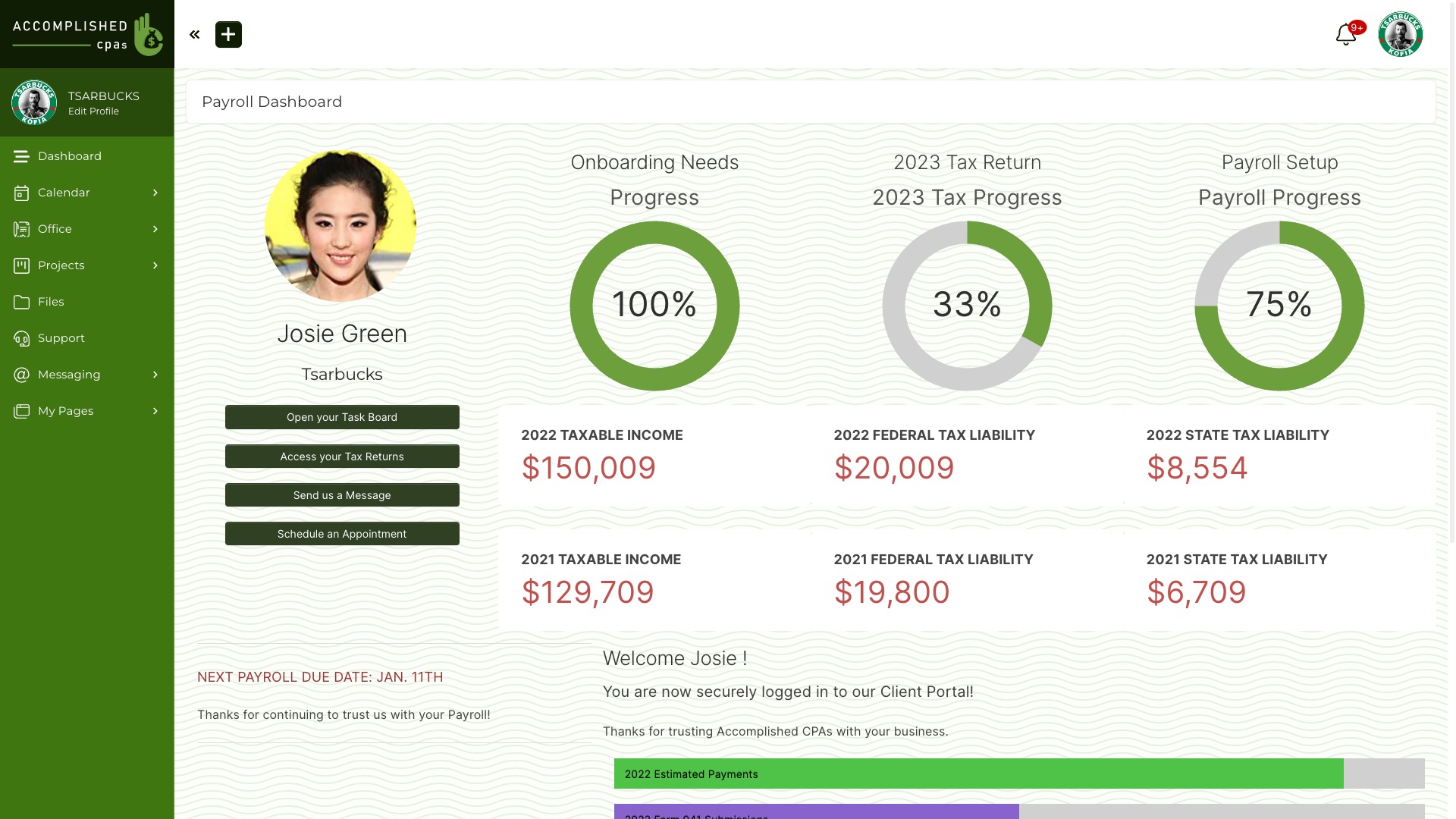
Resell it or launch your SaaS. SU1TE is SuiteDash’s wholesale white-label partner program: configure and brand SuiteDash for each client at $14, $34 or $69 per client account per month. AUTOP1LOT is SuiteDash’s white-label SaaS-in-a-Box: sell your own branded software online for $1,499 per year.
2. Find one client problem you can deliver well
Pick a client type you already understand, such as a consultant who needs intake and file handoff, or an agency that needs project visibility and billing. Interview a few prospective buyers about the workflow they use now, the data they move, who needs access and what breaks. Write a small offer around one measurable process. A broad promise to replace every tool is harder to deliver and support.
- Client type and the job they need done.
- First workflow you will configure and the result the client will check.
- Roles, data, permissions, documents and payment steps.
- Setup, training and support you will provide.
- What remains with the client or a specialist tool.
3. Check partner access and platform fit
Confirm who owns each account, who bills the client, which plans your agreement permits and what support the vendor provides. Test the client’s actual login, permissions, files, billing and mobile access. Ask how optional features and usage services are charged. A feature list alone does not tell you whether your service can be delivered.
For SuiteDash, SU1TE is an application-based partner program. Approved partners create and manage child accounts through a dashboard. A partner needs its own retail Pinnacle account; each paid child account also has a wholesale monthly cost. Every newly approved partner can offer Start, Thrive and Pinnacle; Partner Help notes that some earlier partners have Pinnacle only until a new agreement. Check the plans in your own dashboard before quoting one.
4. Build a real cost sheet before setting your price
Separate the partner account, each client account, optional Power-Ups or usage services, payment processing and your own labor. Then choose a retail price and estimate the time needed for onboarding, change requests and support. The difference between retail price and a wholesale line is not net profit.
Client payment − client software plan − allocated partner-account cost − optional services and processing − support labor = estimated monthly contribution.
Keep one-time setup fees and one-time delivery costs on a separate line. Recalculate for a low-usage and a high-usage client, and check the current SuiteDash plans and SU1TE Help before using any rate in a proposal.
Your price also needs to cover the work your client expects from you. No fixed customer count, margin or time to first sale can be promised from the software price alone.
5. Configure one account as a delivery rehearsal
- Map the journey. Start with a prospect, collect the required information, hand work to the team, and show the client the next step.
- Set up the brand. Configure the logo, colors, Custom URL and login. SuiteDash Custom URL guidance belongs before portal invitations.
- Test roles and access. Review the customer Super Admin view, staff permissions and a client view. Check which data each role can see.
- Test the devices. SuiteDash mobile branding is an installable web app (PWA) after the required setup, not a native app-store listing.
- Document support. Record how the customer requests changes, who answers them, and what a handoff or cancellation requires.
6. Run a client pilot, then refine the offer
Use one willing client or a realistic sample account to walk through the entire journey. Ask the client to complete tasks without your guidance. Log setup time, questions, permission fixes, optional-service use and support requests. Revise the scope and price from that evidence before making a broader sales promise.
When the offer is ready, publish a plain-language service agreement that identifies the software, your work, the client’s responsibilities, billing and support. The partner relationship does not remove your own delivery obligations. You can review SU1TE’s current application path or compare other software resale approaches before applying.
Common questions
Do I need to build software to become a reseller?
No. A partner program may provide the software. You still need to choose a model, configure the client workflow and take on the responsibilities in your agreement.
What does it cost to start with SU1TE?
A partner needs its own retail Pinnacle account. Paid child accounts have wholesale monthly costs, and optional services and your setup and support work can add more. Check current program terms and your agreement before quoting a client.
Can I promise a native white-label mobile app?
SuiteDash’s current mobile guidance describes a configured installable PWA. Test the Custom URL, login, App Icon and installation on the devices your clients use before describing the experience in an offer.
How soon will I make a profit?
There is no standard timeline. Sales, setup, usage and support costs vary by your audience and offer. Pilot one workflow, then use actual delivery costs and customer feedback to update your pricing.